For many Pakistanis, seeking justice traditionally means entering a courtroom, engaging a lawyer, and embarking upon legal proceedings that may continue for years, sometimes decades. Disputes […]
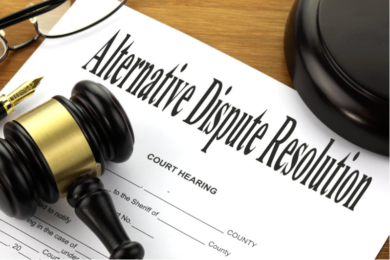
For many Pakistanis, seeking justice traditionally means entering a courtroom, engaging a lawyer, and embarking upon legal proceedings that may continue for years, sometimes decades. Disputes […]
ISTANBUL: Istanbul Arbitration Days 2026 brought together leading international arbitration practitioners, arbitrators, institutional representatives, in-house counsel and experts from across the world for several days of discussions […]
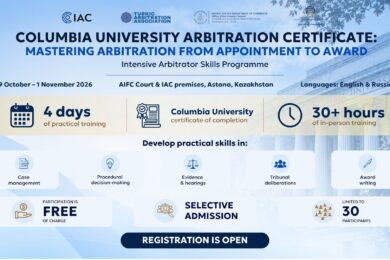
Registration is now open for the Columbia University Arbitration Certificate: Mastering Arbitration from Appointment to Award, an intensive four-day training programme aimed at current arbitrators and […]
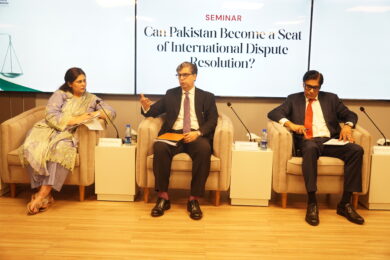
Pakistan has a real chance of becoming a hub for international dispute resolution, but only if it commits to roughly ten years of sustained legal, institutional […]
By Taimur Malik and Maleeka Bokhari The growth of the Saudi Center for Commercial Arbitration (SCCA) over the past decade is part of a broader development […]
The Oxford Institute of Technology and Justice at the Blavatnik School of Government, University of Oxford, has published the Pakistan entry in its AI Justice Atlas […]
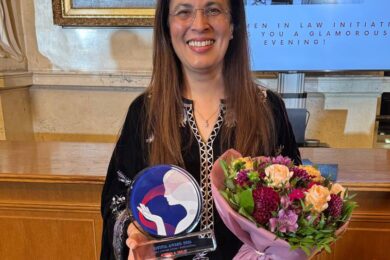
Justice Ayesha A. Malik of the Supreme Court of Pakistan has been awarded the Justitia Award 2026 in the International Leaders/Lifetime Achievement category, presented at the […]

ISLAMABAD September 10, 2026: Bahria University Law School, with the assistance of the Bahria University Law Moot Society, hosted a comprehensive academic Table Talk examining the […]
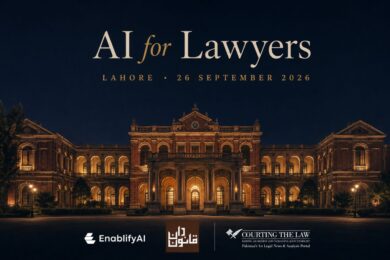
Artificial intelligence has moved from a talking point at legal conferences to a tool sitting inside the daily workflow of law firms, in-house teams, and courts. […]
A constitutional petition filed by Advocate Yahya Farid Khwaja before the Islamabad High Court has brought renewed attention to the growing risks faced by children on […]
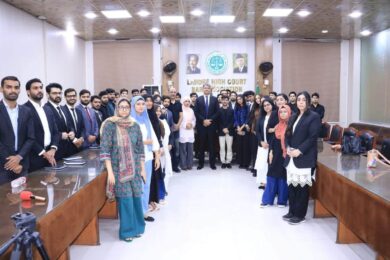
The Pakistan Law Students Association (PLSA) has successfully concluded its “4-Week Summer Fellowship Programme 2.0,” held in collaboration with the Lahore High Court Bar Association. The […]
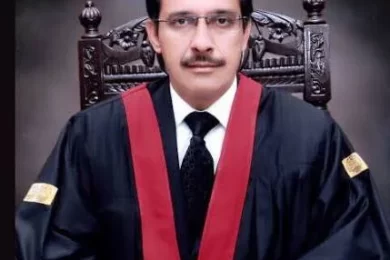
A tribute to Justice (R) Shahid Karim, who silently retired on 19 August 2026 from the Lahore High Court. Karim J son of Fazal Karim J […]
The United Arab Emirates (the UAE) has rewritten its commercial fraud regulations for the first time since 2020. Cabinet Decision No. 107 of 2026 (the Resolution), […]
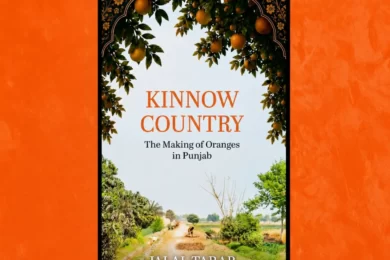
Tarar, Muhammad Jalal Yousaf. Kinnow Country: The Making of Oranges in Punjab. 300pp. Alhamra 2026. What, exactly, is a tree in law? The question sounds almost […]
What good is a right that a person cannot realistically exercise? It is a question I have found myself returning to repeatedly, not because Pakistan lacks […]
Part 1 – August 2026 Oman’s legislative and regulatory reform programme has gathered considerable momentum in 2026. The year has seen a series of significant laws […]
Twelve scholars from across Pakistan and the diaspora awarded graduate scholarships to Oxford, with new provincial and institutional partnerships widening access To mark Pakistan’s Independence Day, […]