
After the 18th Amendment[1] to the Constitution[2], goods are taxed by the federal legislature, and the services by the provinces[3]. There is no concurrency in tax. For a particular transaction, the tax is either levied by the federal legislature, or by the provinces. Under the current framework, the supply of goods is taxed by the center under the Sales Tax Act, 1990. The provinces, after the 18th Amendment, have promulgated provincial legislations to bring the taxation on services within their provincial domain.
Brain Gain: From Third World to First
The story of Singapore is spectacular. In one generation, it became immensely rich. As Lee Kuan Yew, the Prime Minister of Singapore from 1959 to 1990, […]
I DISSENT – THE JURISPRUDENTIAL DISAGREEMENTS IN TAX LAW
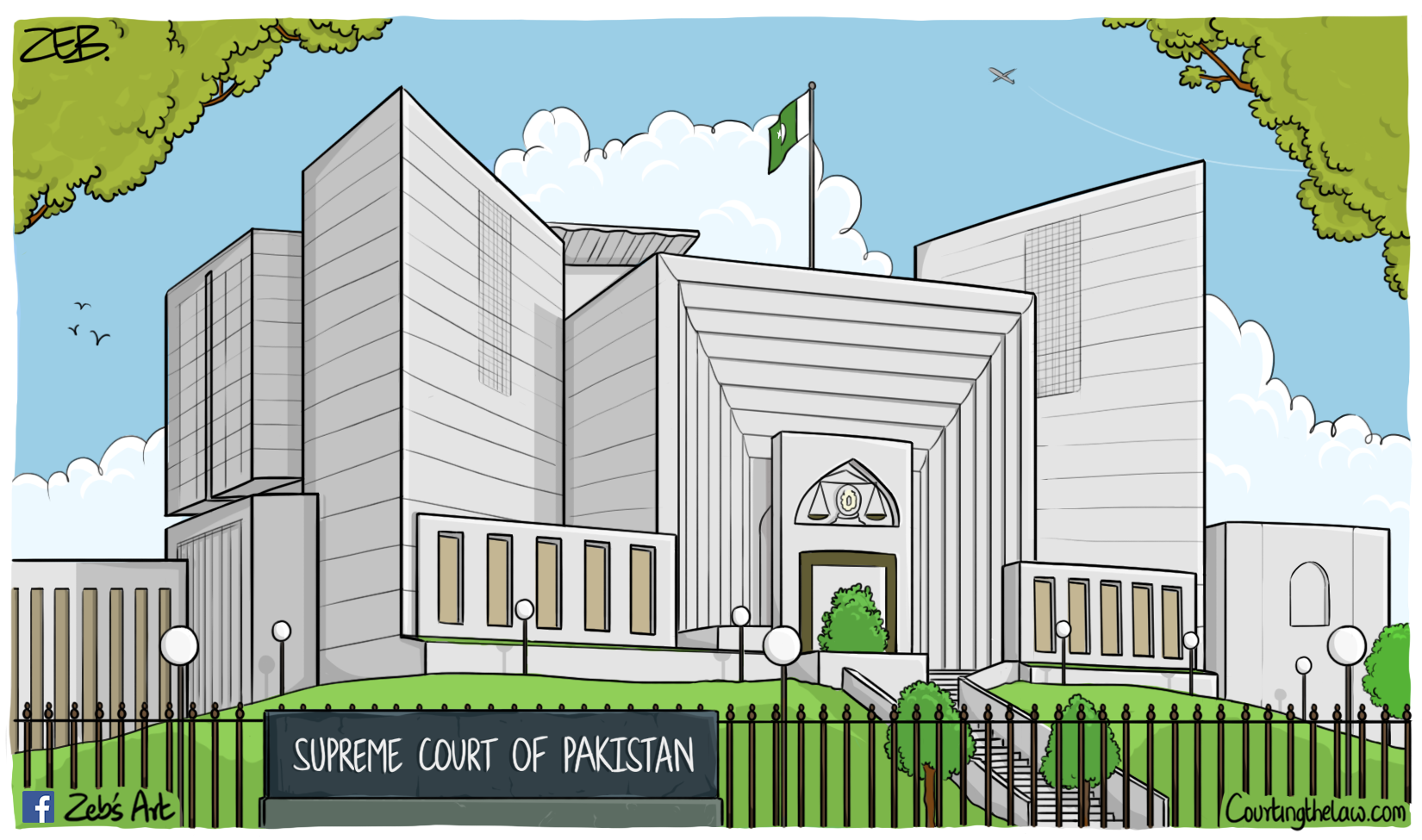
Justice Mansoor Ali Shah and Justice Munib Akhtar of the Supreme Court, both, have an established, longstanding judicial record to speak for their acumen and understanding of the law. Despite their respective chief justiceships having fallen victim to politics, strangled by the passage of the Twenty-Sixth Amendment to the Constitution of the Islamic Republic of Pakistan, 1973, their widespread contributions to the jurisprudence in Pakistan are hard to ignore.
BOOK REVIEW: ADRIAN VERMEULE’S ‘COMMON GOOD CONSTITUTIONALISM’
INTRODUCTION Vermeule’s highly original contribution to jurisprudence is a direct challenge to the two prevailing jurisprudential schools in the United States, and by extension, also, in […]
Post 18th Amendment Federalism: “Pith and Substance” Doctrine and Cooperative Federalism
Adeel Wahid A. Introduction The aim of this paper is to explore the “pith and substance” doctrine, and notions of Cooperative Federalism (also known as Marble […]